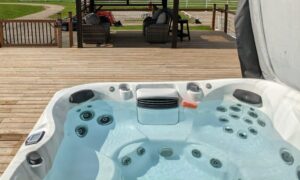
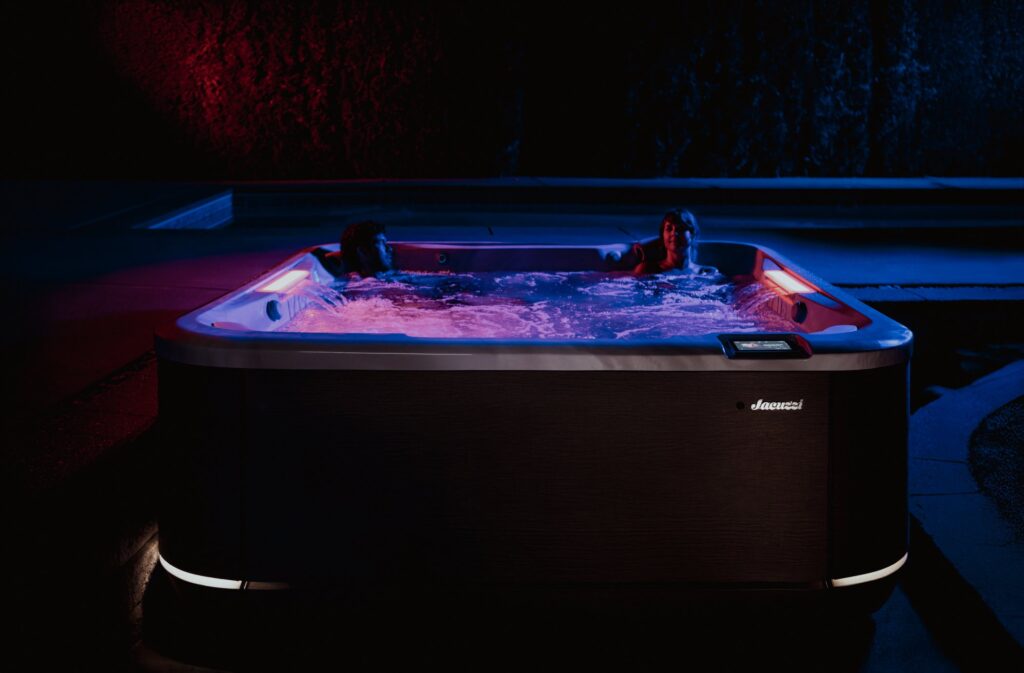
It’s mid-January and an arctic front has parked itself over the valley. Fog has hung over Wenatchee for four days straight, and up the lake in Chelan the thermometer hasn’t climbed above freezing all week. You finally head out for a soak, lift the cover and find lukewarm water. The cover edge is frozen to the shell, and a code you’ve never seen is blinking on the control panel.
Winters in North Central Washington can be hard on outdoor equipment. Cold snaps settle in for days at a time, snow and ice build up fast, and a stormy night can knock out the power. A hot tub handles all of this well when it’s set up and cared for the right way. Skip a few simple steps, though, and small issues pile up. A worn cover leaks heat. A dirty filter slows circulation. A frozen line can take your tub offline right when a warm soak sounds best.
The good news is that hot tub winter care comes down to a short list of habits. This guide covers how freeze protection works, how to prep before the first hard freeze, cover and water care in the cold, safe winter access and what to do when the power goes out.
What Makes North Central Washington Winters Tough on Hot Tubs
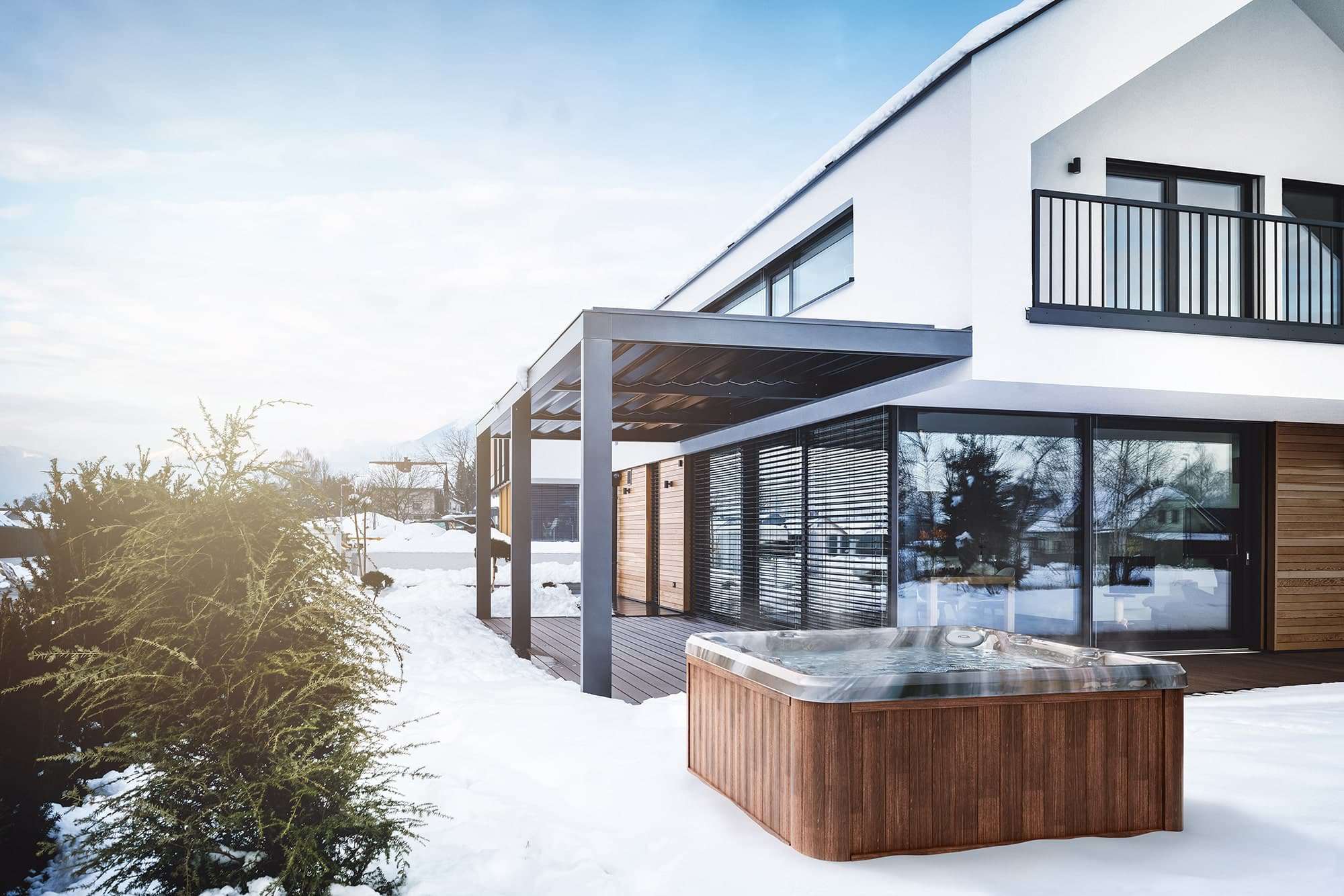
Every region has its own winter personality. Here in Chelan County, it’s less about constant snow and more about long stretches of deep cold. That pattern puts its own kind of stress on a hot tub.
Two local conditions cause most of the winter trouble owners run into.
Long Cold Snaps and Valley Inversions
When cold air settles into the valley, it can stay for days. Inversions trap fog and freezing air near the ground while temperatures stay well below 32°F. Your hot tub has to work harder to hold its heat during these stretches, and any weak spot in the cover or cabinet shows up quickly.
Snow, Ice and Freeze-Thaw Days
Some days bring fresh snow. Others bring a quick thaw in the afternoon and a hard freeze overnight. That freeze-thaw cycle turns meltwater into ice on steps, decks and cover edges. Over time, it can also stress cover vinyl, hinges and straps.
Freeze Protection: How Your Hot Tub Defends Itself
A full, running hot tub is surprisingly good at protecting itself. The water inside holds a lot of heat, and modern controls watch for trouble around the clock.
Knowing how that protection works, and when it isn’t enough, helps you decide what to do with your tub this winter.
Keep It Powered and Full
Most modern hot tubs include a freeze protection feature. If the system senses water temperature dropping too low, it starts the pumps and heater to keep water moving. Moving, heated water is far less likely to freeze than still water. As long as your tub stays powered and filled, this feature does much of the work for you. Check your owner’s manual, or our resource library, for how your model handles it.
When a Vacant Property Needs Winterizing
Many Lake Chelan homes and cabins sit empty for weeks in winter. If no one will be checking on the tub and an outage is possible, a full winterization may be the safer choice. Draining a hot tub properly takes more than opening a valve. Water left in the lines and pumps can still freeze and crack them. If you’re unsure, our service team can help you decide and handle the work.
Prepping Before the First Hard Freeze
A little prep in late fall saves a lot of hassle in January. Think of it as a pre-season checkup for your hot tub.
Before temperatures drop for good, work through this short list:
- Inspect the cover for tears, sagging, broken straps or a heavy, waterlogged feel.
- Clean or replace the filter so water moves freely all winter.
- Consider a fresh water change so you start the season with clean, easy-to-balance water.
- Check the area around the cabinet and clear leaves or debris away from the equipment door.
- Test your GFCI and make sure the tub restarts normally.
If you’d rather leave it to the pros, our service team offers site visits and inspections, quarterly water changes and filter cleaning. A pre-winter visit is a simple way to head into the cold with confidence.
Water Temperature Settings for Cold Months
It’s tempting to turn the heat way down to save energy in winter. In most cases, a big drop backfires. Cold water takes a long time to reheat, and the heater works hardest when the outside air is coldest.
A steady setting usually works best. Many owners keep their water between 100°F and 102°F through the season. If you’re heading away for a few days, a drop of a few degrees is plenty.
Busy soaks matter too. Several people climbing in and out on a frigid night lets heat escape quickly. Keep the cover on between sessions and give the tub time to recover before the next soak.
For more ways to keep energy use in check, read our post on hot tub energy costs and efficiency.
Snow, Ice and Your Hot Tub Cover
Your cover is your hot tub’s first line of defense in winter. It holds heat in, keeps snowmelt and debris out and helps the whole system run smoothly.
Two winter habits keep it in good shape: clearing snow the right way and keeping the cover secure.
Clearing Snow and Ice Safely
Brush snow off after each storm with a soft broom or plastic snow brush. Never use a metal shovel or ice scraper on the vinyl. Sweep from the center out so meltwater runs off the sides. If the cover edge freezes to the shell, let the afternoon sun loosen it instead of prying it up.
Keeping the Cover Secure
Keep your straps clipped all winter so wind can’t lift the cover and dump snow into the water. A cover lifter makes opening and closing easier and keeps the cover off the snowbank while you soak.
If your cover feels heavy or sags in the middle, it may be waterlogged and losing heat. Learn more in our posts on the benefits of hot tub covers and signs it’s time for a new hot tub cover.
Winter Water Care Adjustments
Clean, balanced water matters just as much in winter as in summer. Your routine may need a few small tweaks as your soaking habits change.
Test your water two or three times a week, even if you’re soaking less often. After a busy weekend with family or friends, test again and adjust before the next soak. If snow slides off the cover into the tub, it adds water that can throw off your balance, so test after that too.
Keep up with filter care. Rinse the filter every week or two and give it a deeper clean about once a month. A clean filter keeps water moving, which helps with freeze protection.
For a refresher on the basics, see our guides to balancing pH levels and year-round hot tub maintenance. Our water care selection has everything you need, and the True Water™ System can make winter water care even simpler.
Safe Winter Access to Your Hot Tub
Winter soaks are some of the best of the year. Getting to and from the tub safely is part of the routine.
Clear a path after each snowfall and keep it sanded or salted. Use non-slip steps, and add lighting along the path and around the tub for evening soaks.
Keep robes, towels and sandals somewhere dry and close by. A covered hook or a weatherproof storage box near the tub makes the walk back inside much more comfortable.
Want more shelter from wind and snow? Browse our hot tub enclosure ideas for Washington homeowners. Our post on the best hot tub accessories every spa owner should have also covers steps, lifters and more.
Power Outages and Cold Snap Warnings
Winter storms can cut the power, sometimes for hours. A full hot tub holds heat for a while, but a long outage during a deep cold snap needs attention.
Knowing the warning signs and having a simple plan can save you from costly repairs.
Signs Something Is Wrong
Watch for these during cold weather:
- Error codes on the control panel
- Water that’s colder than your set temperature and isn’t recovering
- Jets that won’t start or sound different than usual
- Ice forming around the base of the cabinet or equipment door
What to Do During an Outage
Keep the cover on and strapped down tight to hold in heat. Open it as little as possible. When power returns, confirm the tub restarts and begins heating.
If the outage was long and temperatures stayed well below freezing, call us before running the tub hard. Our technicians can check for frozen or damaged components and order replacement parts if needed.
Keeping an Eye on Second Homes and Cabins
Lake Chelan is full of second homes, cabins and vacation rentals. If your hot tub sits at a property you don’t visit every week, winter care takes a little extra planning.
Arrange for someone to check the tub regularly, especially after storms and cold snaps. They should confirm the water is warm, the cover is secure and no error codes are showing.
Many Jacuzzi® Hot Tubs can also be paired with the SmartTub™ System, which lets you check in on your tub from your phone. Ask our team whether it’s available for your model.
Regular service visits are another good option. Our team can test and balance water, clean filters and keep an eye on your equipment while you’re away.
When to Call Swim World’s Service Team
Plenty of winter care is easy to handle yourself. Some problems are best left to a technician, especially when freezing temperatures are involved.
Call us if you see error codes you can’t clear, a heater that can’t keep up, leaks around the cabinet or equipment that won’t restart after an outage.
Our service solutions include site visits and inspections, quarterly water changes, water cleaning and balancing, water testing, filter cleaning and changes, component repair and replacement parts. Whether you need a one-time fix or regular help all winter, book service with our team.
Frequently Asked Questions
Can I use my hot tub when it’s below freezing?
Yes. Winter is one of the best times to soak. Keep a clear, safe path to the tub, keep the cover on between soaks and get back inside quickly when you’re done. For more reasons to soak all season, read our post on using your hot tub in the winter.
How do I keep my hot tub from freezing?
Keep it powered, full and covered. Most modern hot tubs have freeze protection that runs the pumps and heater when water gets too cold. A clean filter and a well-fitted cover help it work properly.
Should I drain my hot tub for winter?
Most owners who use their tub through the winter keep it running. Draining makes the most sense for properties that sit empty for long stretches. If you do drain it, make sure the lines and pumps are fully cleared so no water is left to freeze.
What temperature should I keep my hot tub at in winter?
Many owners keep their water between 100°F and 102°F. Large drops make the heater work harder to recover on cold days. A drop of a few degrees is fine if you’re away for a short trip.
Soak All Winter With Confidence
Winter in Chelan County is a great time to own a hot tub. With a few steady habits, warm, clear water will be waiting on even the coldest nights.
Visit our showroom at 1754 N Wenatchee Ave in Wenatchee, Monday to Saturday from 10am to 6pm, to stock up on water care supplies or ask about covers and lifters. Call (509) 682-3431 or contact our team to book a pre-winter service visit.