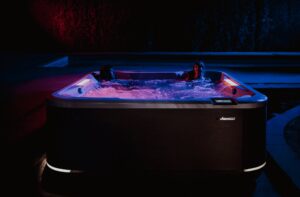
Hot Tub After Skiing: Recovery Tips for Mission Ridge and Echo Valley Days
The forecast called it right. A foot of fresh snow overnight, blue skies by nine and no lift lines at Mission Ridge. You ski from first chair until your legs refuse one more run. By the time you’ve driven back down into Wenatchee, your quads are burning, your calves ache and your lower back has started to stiffen up.
That feeling is part of every great ski day in North Central Washington. Still, it can cost you. Go straight to the couch and you’ll wake up stiff and sore. Stack a few weekends together and the soreness adds up until you’re skipping runs you’d normally love. For anyone with tired knees or an old injury, the recovery side of skiing matters even more.
A warm soak at home can make a real difference. Using a hot tub after skiing gives your body heat, buoyancy and massage right when it needs them. This guide covers where skiing hits your body, how to time your soak, which jets to use, a few ski-specific stretches and how to build a recovery routine that lasts all season.
Where Skiing and Snowboarding Hit Your Body
Skiing looks smooth from the chairlift, but your muscles are working the whole way down. Every turn, bump and edge change asks something of your body.
Knowing where the strain lands makes it easier to target your recovery. It usually comes down to two areas.
Your Legs Do the Heavy Lifting
Your quads hold you in a bent-knee stance and control your speed on every turn. Calves work hard inside stiff boots. Glutes and hips help you steer and absorb terrain. Snowboarders often feel extra fatigue in their hips and glutes from heel-side turns and getting up off the snow.
Core, Back and Shoulders Pitch In
Your core and lower back keep you balanced over your skis all day. Shoulders and arms work with every pole plant. Add the cold, which makes muscles feel tighter, and a long drive home sitting down, and it’s easy to see why your body feels stiff by evening.
Why Warm Water Feels So Good After a Cold Day
After hours in the cold, warm water feels incredible. There are good reasons for that.
Heat helps tight muscles relax and encourages blood flow. Buoyancy takes much of your body weight off your joints, giving knees and hips a break after a day of impact. Jets add massage that works on specific sore spots.
Together, these make up hydrotherapy. We’ve covered the basics in our posts on what hot tub hydrotherapy is and how soaking in a hot tub can help ease aches and pains. Here, we’ll focus on putting it to work after a day on the slopes.
Planning Your Apres-Ski Soak
When you get in matters almost as much as how long you stay. A little planning helps you get the most from your soak.
Two simple habits make the biggest difference.
Give Yourself a Short Cool-Down First
Jumping straight from the car into hot water isn’t always the best move. Take a few minutes to get out of your ski gear, have a snack and settle in. Then head out for your soak. Some skiers also enjoy a second, shorter soak closer to bedtime to help them wind down for the night.
Hydrate Before, During and After
Cold, dry mountain air hides how much water you lose while skiing. Warm water adds to it. Drink a full glass of water before you soak and keep a bottle within reach. Save any apres-ski drinks until after your soak, since alcohol and hot water don’t mix well.
Soak Time and Temperature After a Ski Day
For recovery, a moderate soak usually beats a long one. Many people do well with about 15 to 20 minutes. That’s enough time for muscles to warm up and loosen without leaving you overheated.
Temperature works the same way. Many owners soak between 100°F and 102°F, and it’s best to stay at or below 104°F. If you feel dizzy or too warm, get out, cool off and drink some water.
If you’re pregnant, have a heart condition or take medication that affects your blood pressure, check with your doctor before using a hot tub.
For a deeper look at soak times, read our post on how long you should stay inside a hot tub.
Using Jacuzzi® Jets on Ski-Sore Muscles
Not every seat suits every sore muscle. After skiing, most people want focused massage on their legs, lower back and shoulders.
Jacuzzi® Hot Tubs feature PowerPro® jets placed through seats designed for different areas of the body. Moving from seat to seat changes where the pressure lands and how it feels.
Try a seat with strong jets along your lower back after a day of moguls. Switch to a seat or lounge that reaches your calves and thighs when your legs are the main complaint. Many seats also let you adjust air flow for a firmer or gentler massage.
The best way to find your favorite seats is to try them. Book a wet test at our showroom and spend a few minutes in each one.
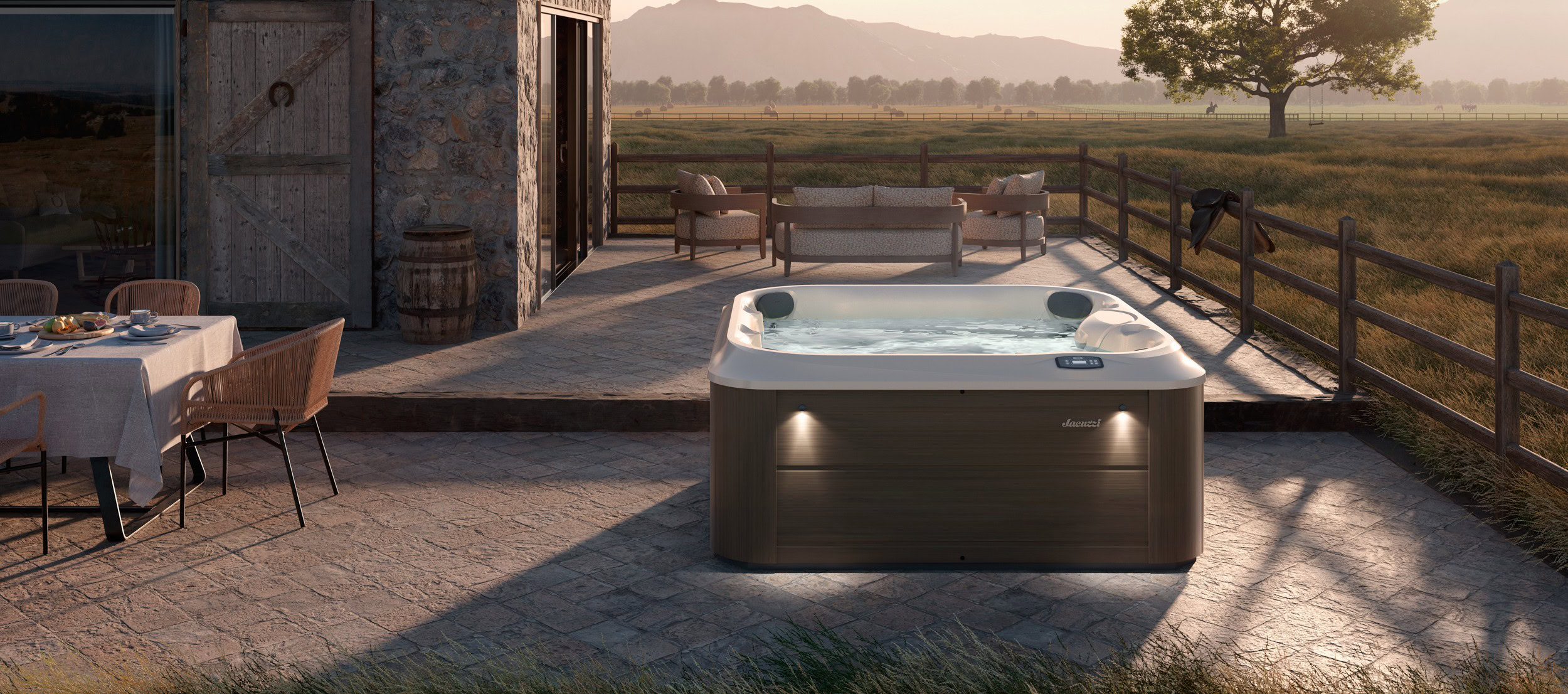
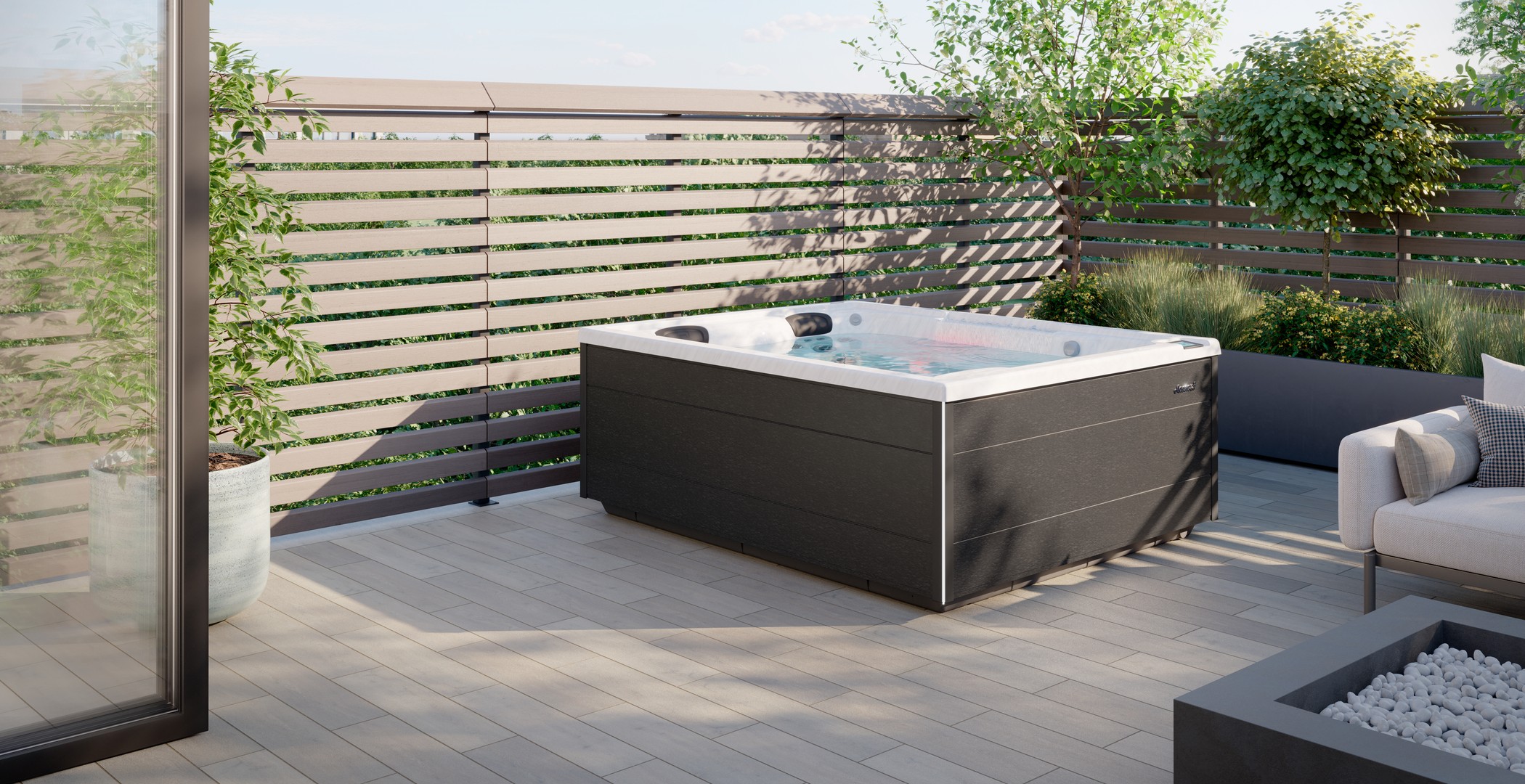
[Image: Jacuzzi® J-400™ installation. Alt text: ]
Four Ski-Specific Stretches for the Water
Warm muscles stretch more easily, so your soak is a great time for gentle mobility work. Move slowly, hold the edge for balance and never push into pain. Hold each stretch for about 20 to 30 seconds.
These four target the areas skiing works hardest:
- Standing quad stretch: stand on the step, hold the edge and gently pull one heel toward your glute.
- Calf stretch: place the ball of one foot on the step with your heel hanging off, then lean forward slightly.
- Seated figure-four: cross one ankle over the opposite knee and lean forward to stretch your glutes and hips.
- Hip flexor stretch: step one foot forward into a gentle lunge on the floor of the tub, keeping your upper body tall.
Want more? Our posts on hot tub stretches for easing back pain and hot tub exercises cover additional moves.
Pairing Heat With a Cold Plunge or Infrared Sauna
Some skiers take recovery a step further by mixing heat and cold. Moving between a warm soak and a short cold plunge is known as contrast therapy, and it’s popular with athletes of all kinds.
A Kodiak cold plunge gives you controlled cold water at home, right beside your hot tub. Start with short sessions in water that feels cool rather than icy, and build up slowly.
Prefer to stay indoors on snowy nights? A Jacuzzi® infrared sauna offers gentle, even warmth inside your home. Learn more in our infrared sauna guide.
Building a Ski-Season Recovery Routine
One soak after a big day feels great. A steady routine from the first storm to spring skiing is what keeps your legs fresh all season.
Keep it simple. Boots off, water glass filled, a 15 to 20 minute soak, a few stretches, then dinner. It takes less than half an hour and quickly becomes a habit.
Make it a family routine too. Kids coming home from ski lessons at Echo Valley or Mission Ridge love a warm soak, and it’s a screen-free way to hear about their day. Weekend crews can wind down together after a long day of laps.
Consistency matters more than intensity. Regular moderate soaks through the week will do more for you than one long soak on Sunday night.
Choosing a Hot Tub for a Skiing Household
If your household lives for ski season, a few features make a hot tub better for recovery. Look for a mix of seat depths so taller and shorter skiers both get jets in the right places. A lounge seat lets you stretch out and work on legs and feet.
Here are a few popular Jacuzzi® models at our showroom:
- J-375™: seats six adults with 52 jets and lounge seating, great for full-body recovery.
- J-245™: seats seven adults with 37 jets and open seating, a strong pick for ski crews and families.
- J-325™: seats five adults with 23 jets and open seating, a good fit for smaller households.
Browse our full selection of hot tubs, or ask about financing options when you visit.
Frequently Asked Questions
Is it good to get in a hot tub after skiing?
Many skiers find a hot tub helps after a day on the mountain. Warm water relaxes tight muscles, buoyancy takes pressure off joints and jets massage sore areas. Keep soaks moderate and drink water before and after.
How long should I wait after skiing to use a hot tub?
There’s no strict rule. Many people take a few minutes to change, eat a snack and drink some water first. Then they enjoy a 15 to 20 minute soak.
Should I use a hot tub or a cold plunge after skiing?
Both have a place. A hot tub helps you relax and loosen up, while a cold plunge gives a short, bracing reset. Many skiers alternate between the two. If cold water is new to you, start with short sessions.
Can a hot tub help with sore legs from snowboarding?
Yes, many snowboarders find it helps. Look for seats with jets aimed at your hips, glutes and thighs, and add a few gentle hip stretches while you soak.
Recover Like a Local This Ski Season
The best ski days end in warm water. With a hot tub at home and a simple routine, you’ll be ready for first chair again next weekend.
Visit our showroom at 1754 N Wenatchee Ave in Wenatchee, Monday to Saturday from 10am to 6pm, to try our Jacuzzi® Hot Tubs in person. Call (509) 682-3431 or contact our team to book a wet test.